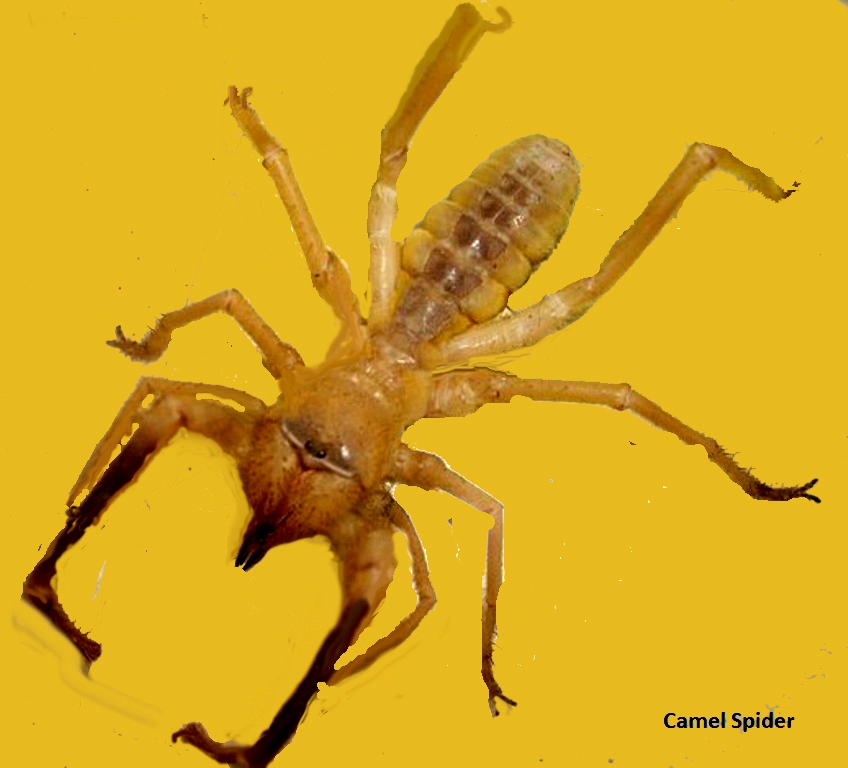
For the scasre this gave at the time and the bejeebies it gives from memory, I decided to give it two slots on the page lol
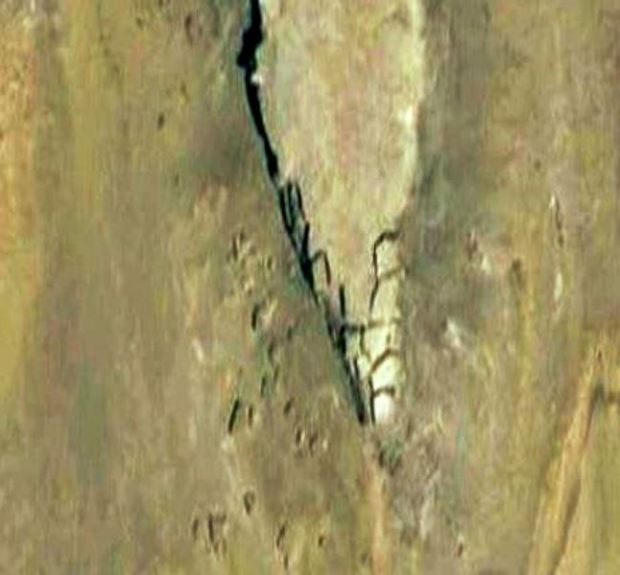
The fractured end of the couple of hundred feet high Abu Lifa escarpment from space
This escarpment hides its secret well. It is tricky to find and harder to reach.
It is situated within sight of the Quran Lake, at Fayoum and is even closer to the Qasr el Sagha Temple.
The Qatrani mountain range in the north tries to reach it with its shadow, but the darker shadows are reserved for the collapsed caves and tunnels throughout the whole high end of the escarpment.
From above, the damage of an ancient earthquake is evident in the crazy paved huge sections of either fossilised reef or basalt rock which have fractured and collapsed. The complex reaches back to an unknown time, but its history can be traced in modern times to when Coptic monks hid here in a fortress community as the Romans commanded the country below. (Some of the pictures below were taken from the fourth top slab on the left.)
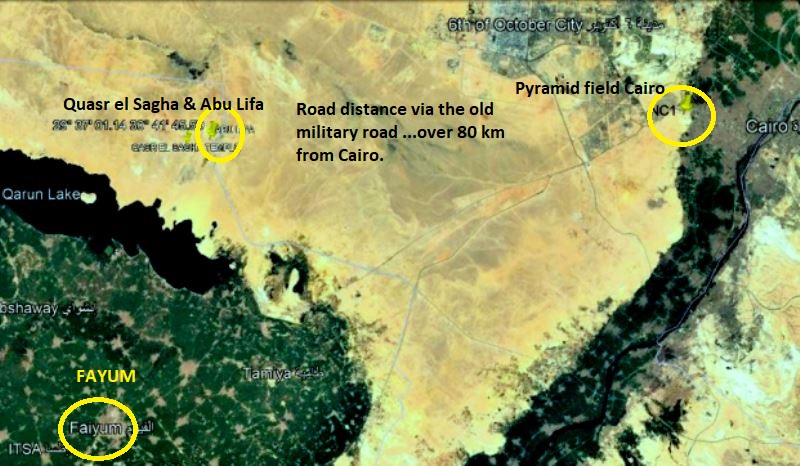
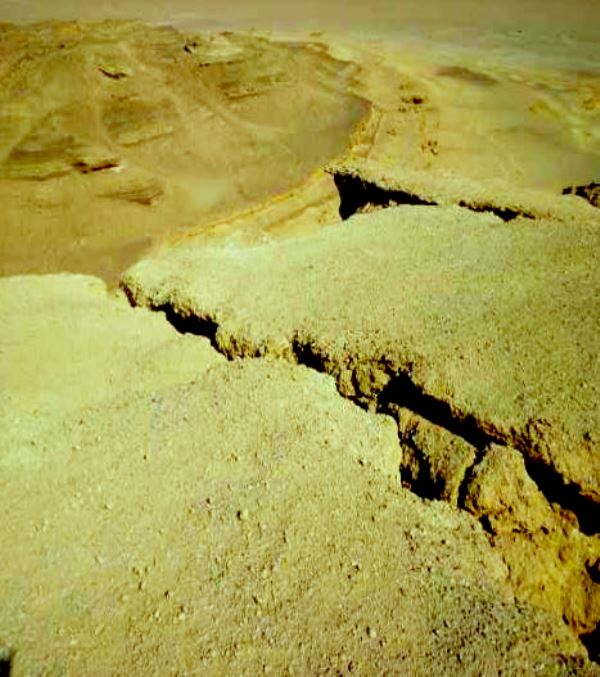
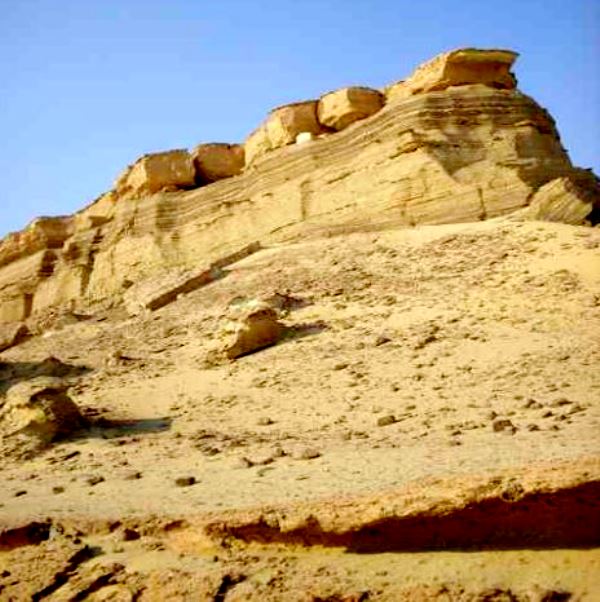
We had visited this site before. It is tricky to find and reach and requires all the skills of an experienced 4×4 driver to negotiate the various levels of strata around the mountain to the right of the Temple at Qasr el Sagha.
On our first visit we confined ourselves to just getting up into the caves and taking in the incredible view out across to the distant Quran lake, which in the past lapped to the foot of the range. On our first trip we learned only that it was an old Coptic fortress Monastery, long abandoned and now in ruin from earthquake.
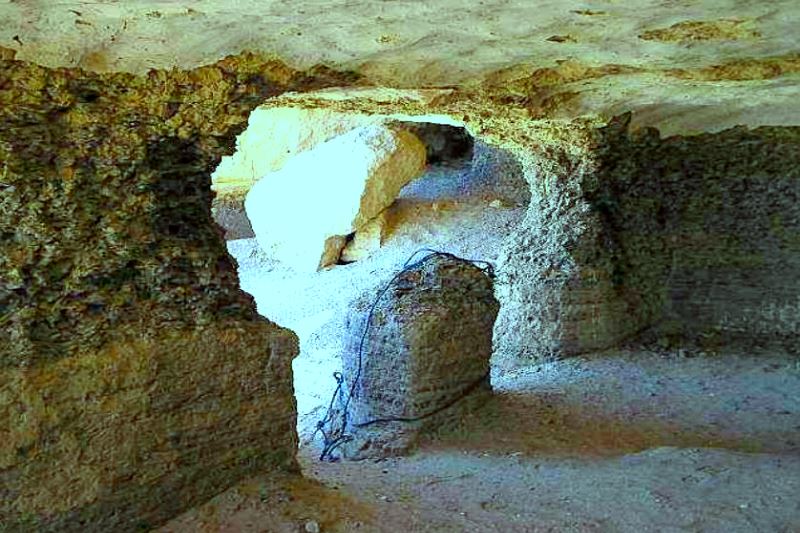
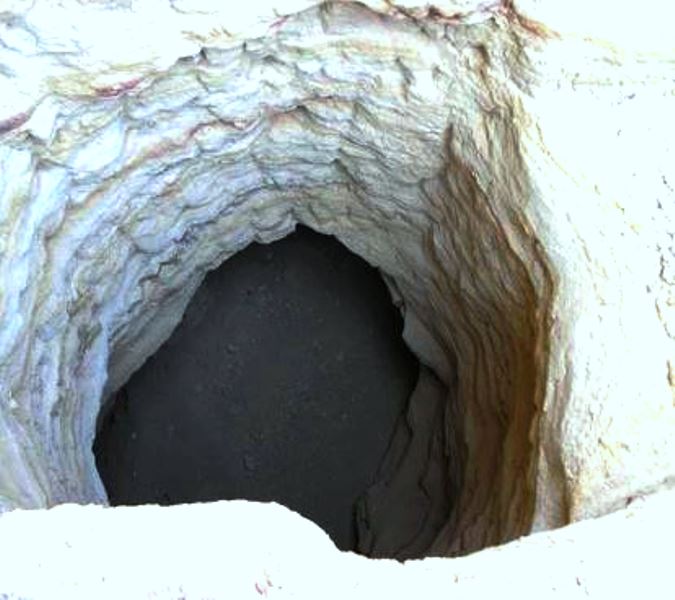
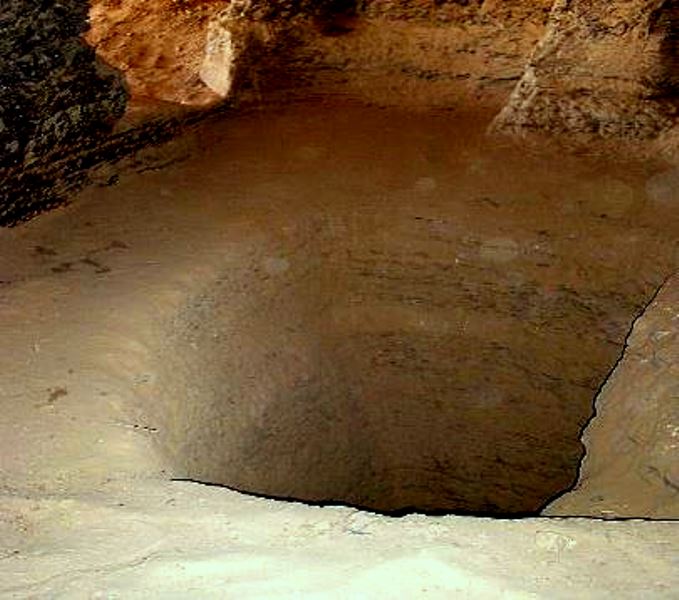
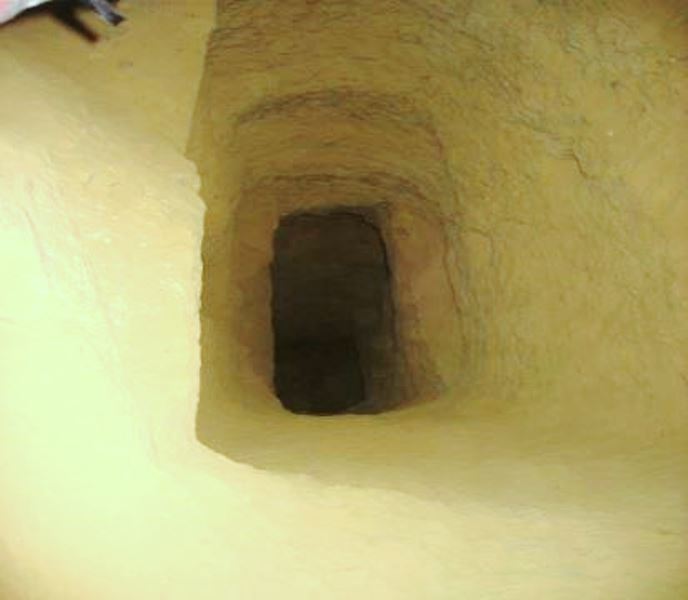
The main caves are intact and have ceilings and walls covered in fragments old Coptic writing. Slightly deeper, there are other caves in stages of construction, being hacked from the basalt rock seam. In the main cave, a deep shaft reached down into the mountain, as did other less accessible shafts in the complex.
The deep shaft could have held water, grain or could have been a route to deeper underground passages and caves. The caves are also heavily obstructed by blown sand. On that first trip we did not have the equipment to explore further, but we resolved to return there on a future trip much more prepared.
We pick up again from the next trip. The sand we crossed was particularly tricky. The tyres sank 2 inches wherever we went and the horizon was featureless. In this landscape there are many hidden gullies that blend into the surface. Without skill and care, the jeep can buck high in the air and dump itself terminally into one of them. Eventually we reached the mountain escarpment of el Sagha again.
We followed the contours of the escarpment with difficulty and we were filled with familiar excitement when the site came into view – with the tell tale cave entrances high above us. After the previous trip I had studied the site using Google Earth. It was clear that the whole nose of the escarpment had been shaken to pieces in an earlier earthquake. I speculated that the section we had previously visited, although extensive, must have been a fraction of what was originally there.
We had not deeply explored the first time. We had no climbing equipment that time, but I was determined we would bring ropes etc with us this time to explore properly. You can imagine what was said when we arrived the second time to find our guide had accidentally left the climbing gear behind. We were not happy. There was only a few tying ropes to use and we had to make the best of it ! There would be no exploration of the shafts, nor of a particular observation cave high and off to the side that was inaccessible. We were wary enough of spiders, scorpions and vipers, and it would have been foolish to have entered the shafts without the correct gear.
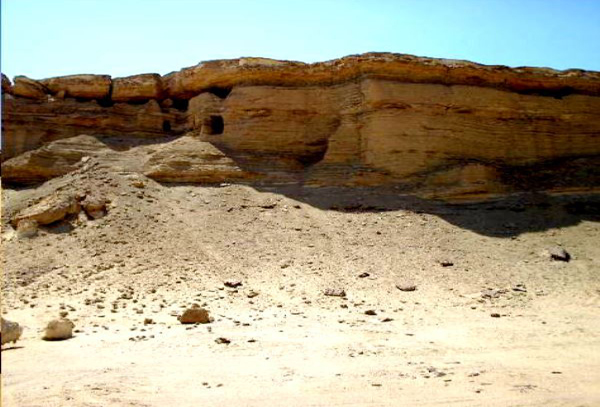
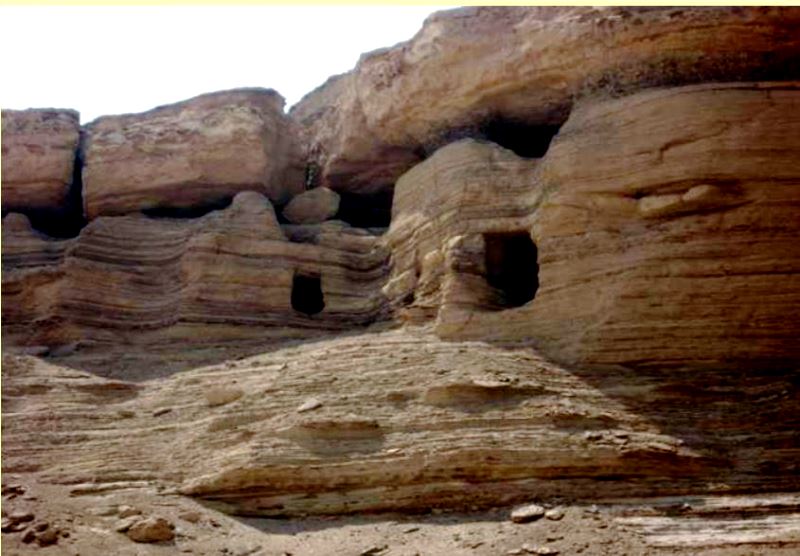
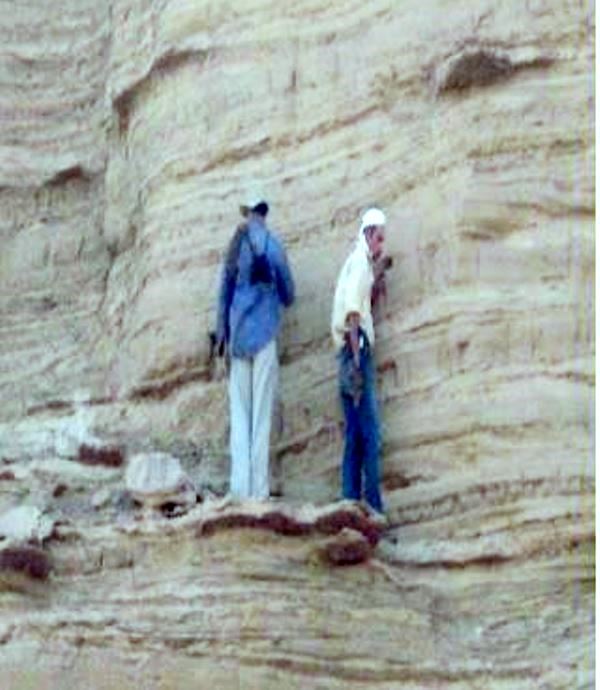
I did not know as I learned later, that Deir Abu Lifa, attributed to Saint Abu Banukhm/ Panoukhius probably dated close to the time of Christ. Some of the inscriptions in the main cave had been dated to between 686 and 858AD.
Translations showed some by the hand of Steven saying, “Christ remember me; Do penance for me; Pray that God will give me patience.” More recently, French archaeologist Henri Munier published a study on the site in 1937.
For me, it was like a first time discovery.
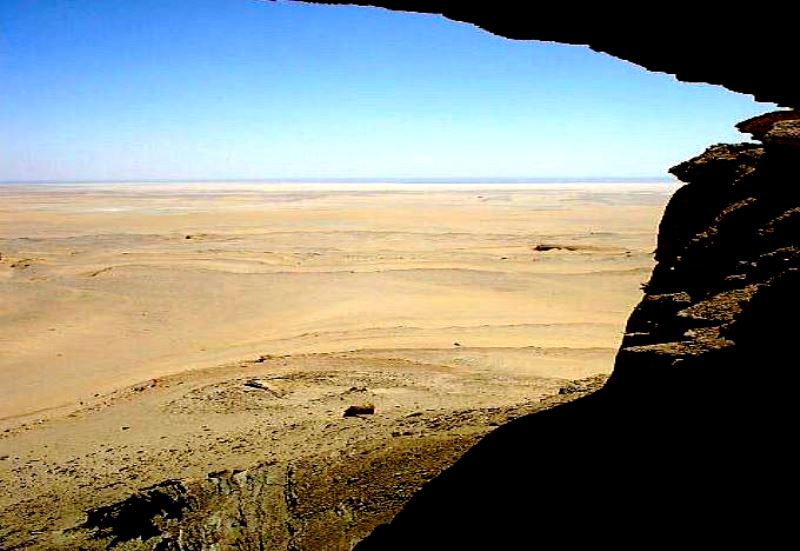
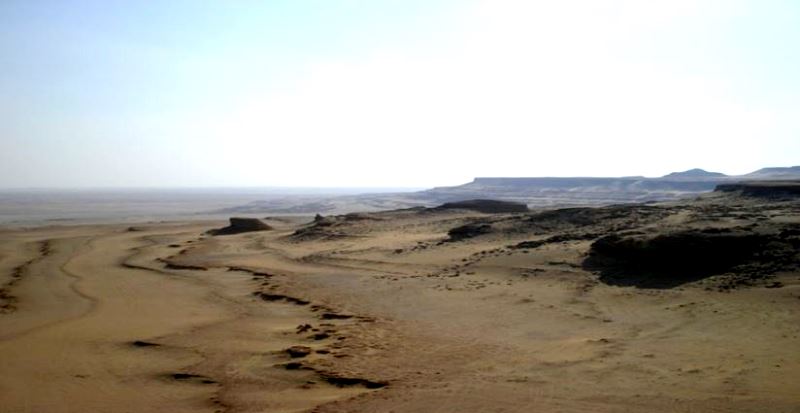
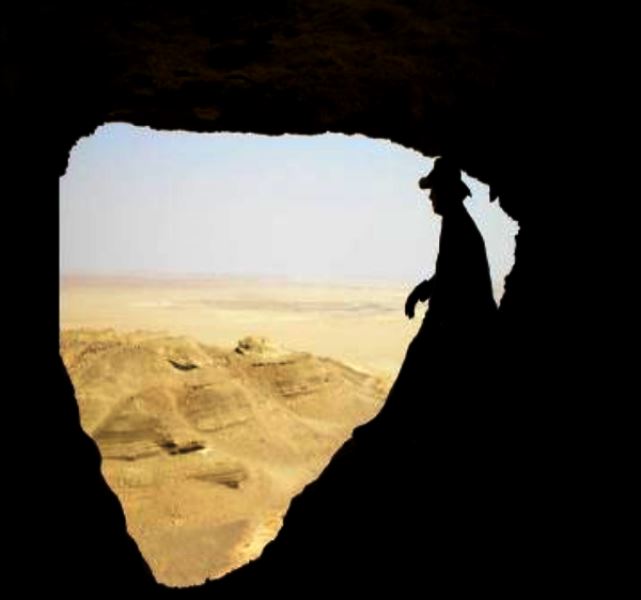
A view to the headland of the Qatrani mountain range & el Sagha from Abu Lifa
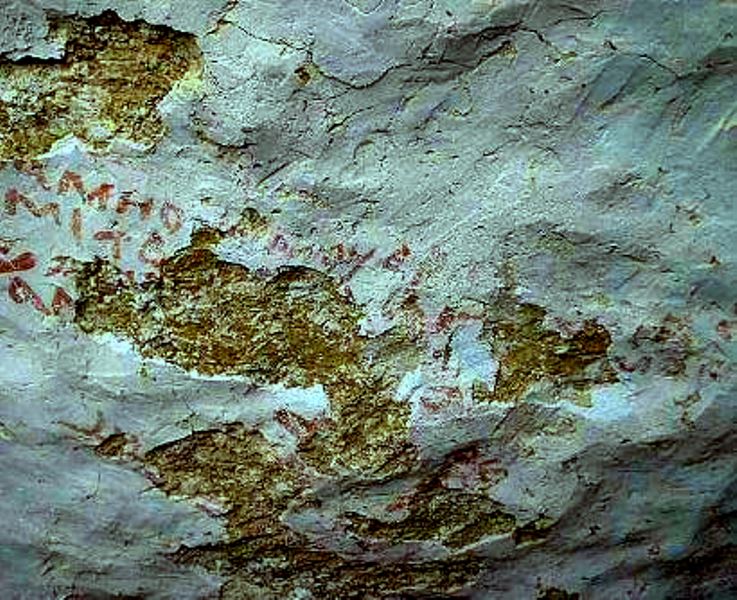
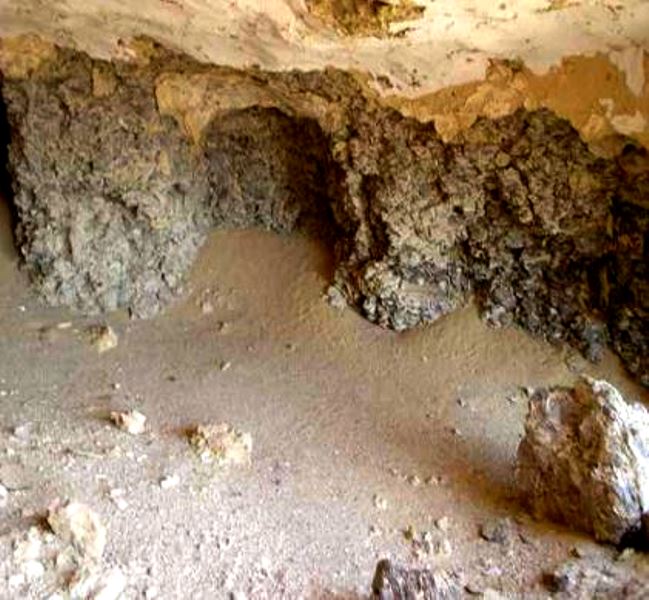
In the main chamber there are the remains of plaster with some old Coptic writings. In the deeper resesses a seam of Basalt is obvious. In fact it almost looks as if some of the pheripheral caves were works in progress as the Basalt was being hacked out. Notice the plastered ceilings also.
We were unable without the correct climbing gear to explore the shafts which may have been for storage or may lead to other cells and storage chambers.
Off to the left of the main cave, there are other caves made poorly accessible from a substantial fill of sand and the obvious huge collapsed slabs of escarpment. I had crawled a little way between these the previous time but this time I was determined to find the extent of the complex. The satellite pics. showed it must travel around the escarpment nose
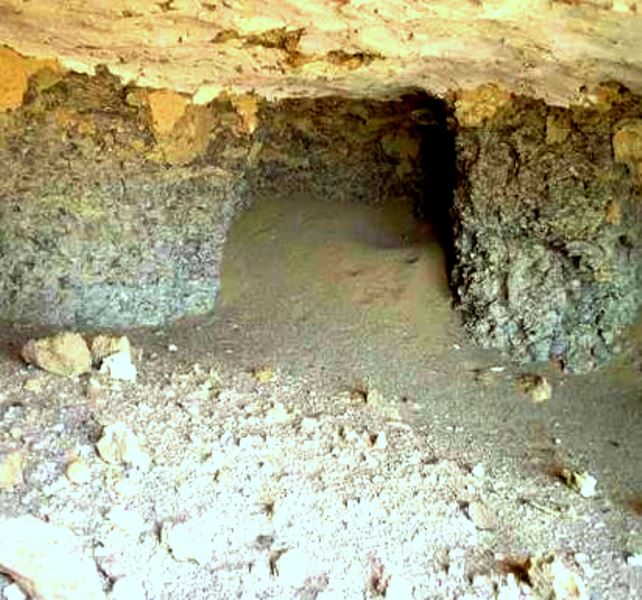
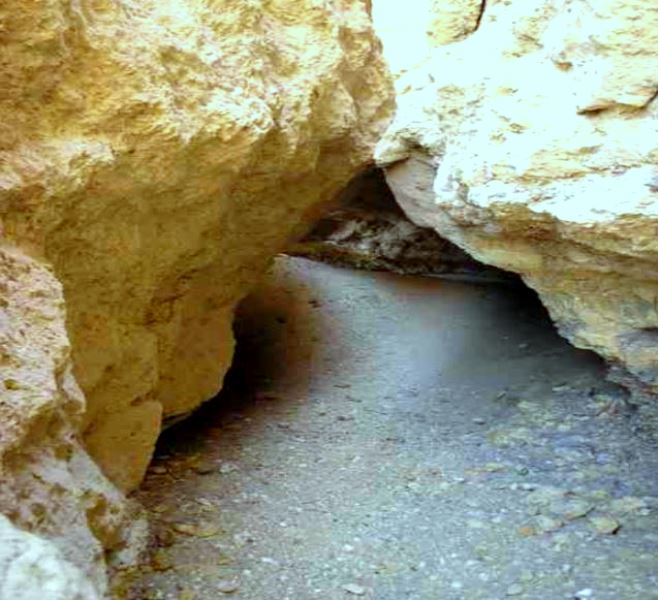
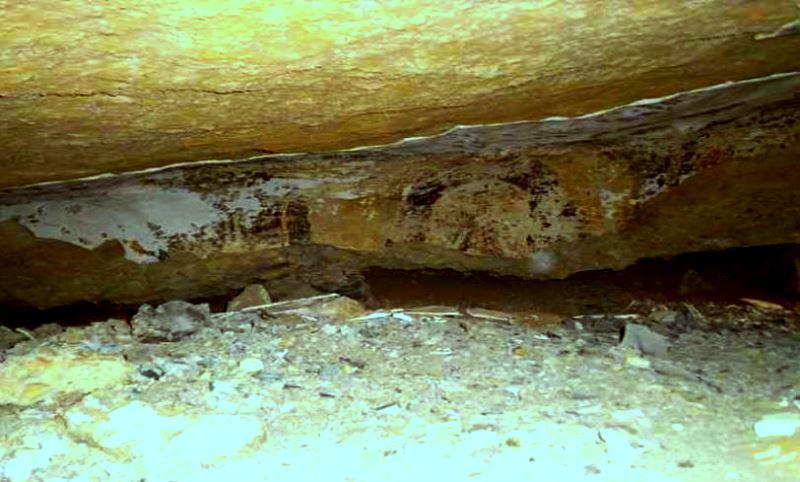
It is possible to get through the first small section from a crouched position, scraping between the fallen slabs. The crack opens out to the gap seen extreme centre left of the pic. above. Thereafter it is necessary to crawl completely flat, with back scraping the underside of the slab above.
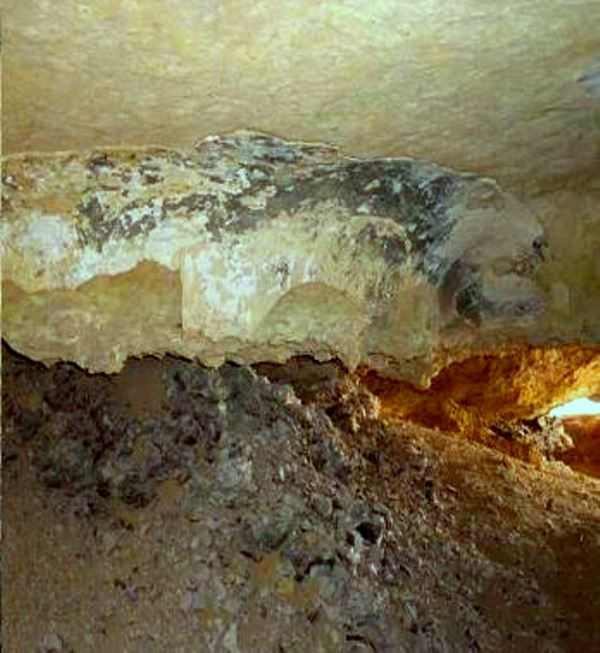
It was a tight squeeze, but I found the sand seemed to hollow out just in front of me. The light was dull and it took a moment to adjust. I could not contain my excitement when I realised I was in a sand filled chamber that had once been a large cave with elaborate painted plaster on the walls.
For me it was the first time of naked discovery. I was laying almost at ceiling level looking at the remains of the most glorious plaster paintings. I could see the Saints with their halos and other decoration. The hairs stood up on my neck as I felt the sudden contact with all that must have happened in this Holy place. I felt the touch of spirit.
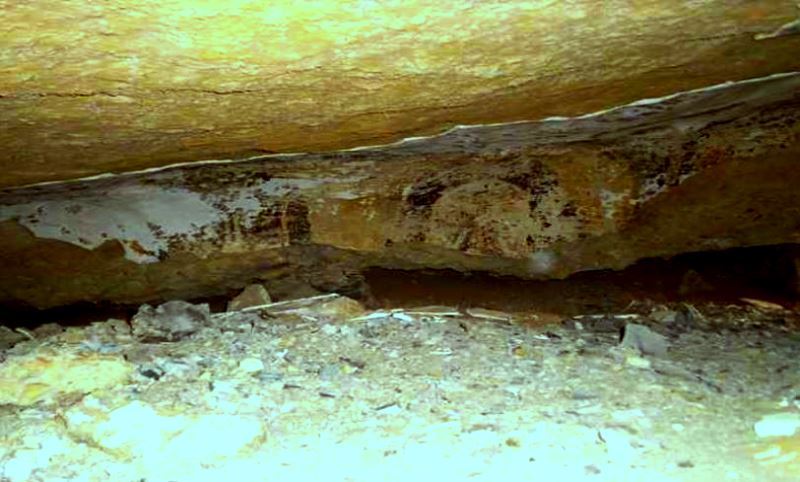
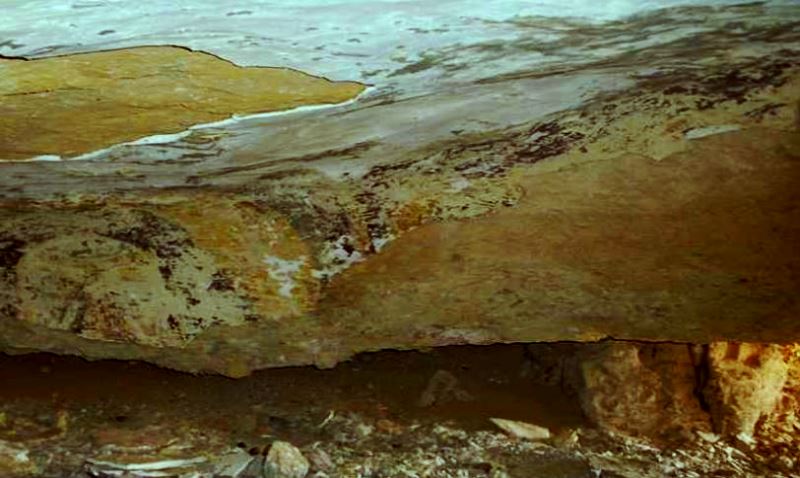
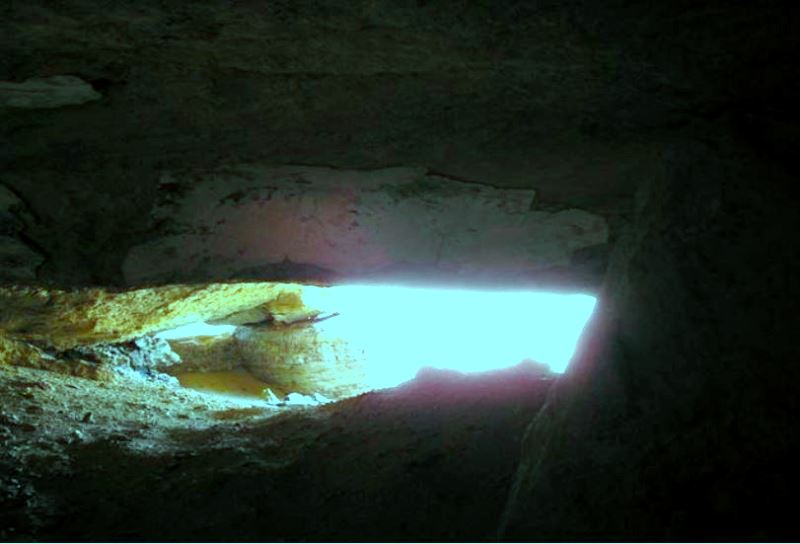
I managed with difficulty to squeeze through and was able to stand up at the other side. At last I could see the strange structure in front of me we had puzzled at from the ground. This is the bright structure you can see from the ground in the third pic at the head of the page. From the top I could see it was a more recent brick built observation post.
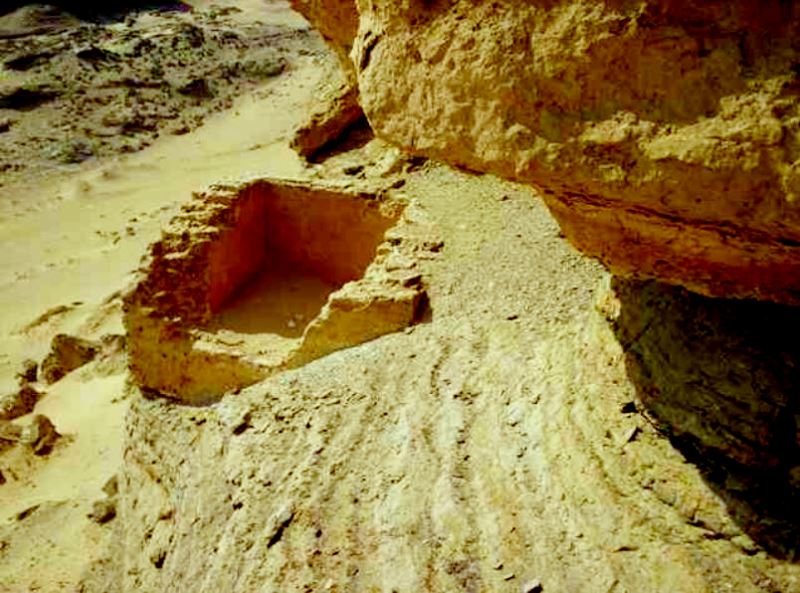
I managed with difficulty to squeeze through and was able to stand up at the other side. At last I could see the strange structure in front of me we had puzzled at from the ground. This is the bright structure you can see from the ground in the third pic at the head of the page. From the top I could see it was a more recent brick built observation post, maybe from wartime. However as I stood there for a moment looking down from the ledge to the lethal fall if I put a foot wrong I spotted movement at my feet. In the blink of an eye the biggest spider I had ever seen came up over the edge as fast as a mouse and stopped a couple of inches from my foot. Every alarm in my head went off, especially from the terror tales we had heard of the camel spiders. It seemed frozen, long enough for me to see the two big jaw pincers protruding at the front. Then in a split second it side tracked my foot by a hairsbreadth and disappeared under and into the space I had just crawled through. I immediately shuddered to realise I was going to have to crawl back the same way soon!
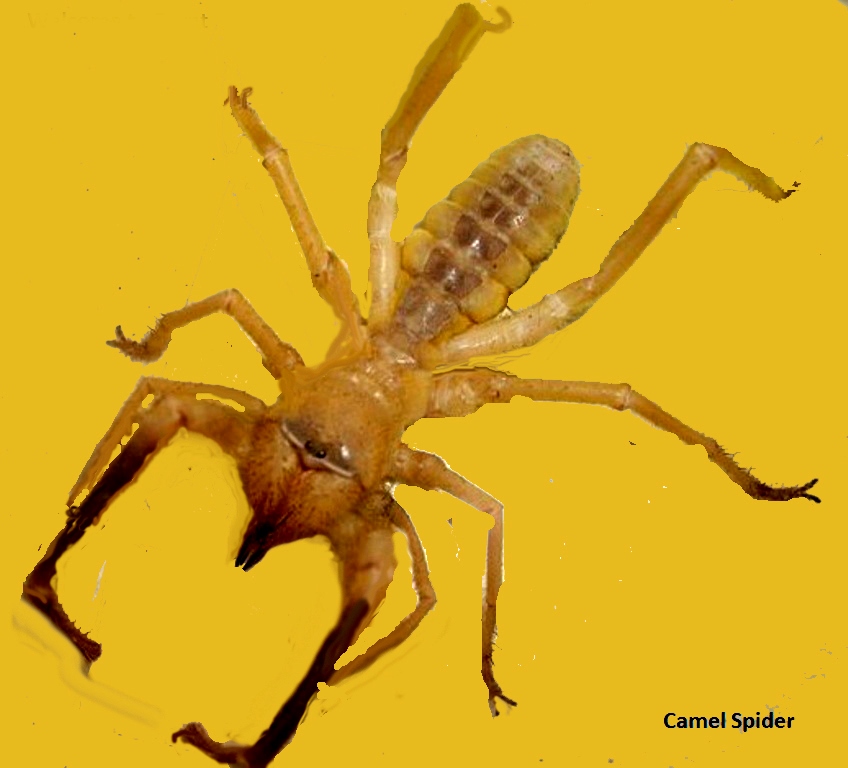
I shuddered and figured I was going to call my companion and our guide to come take a look. It was obvious there were even more workings around the corner. I called at the top of my voice and got no reply, so reluctantly, and cursing, I retraced my crawl while keeping a razor sharp eye out for the movement of the durned spider!
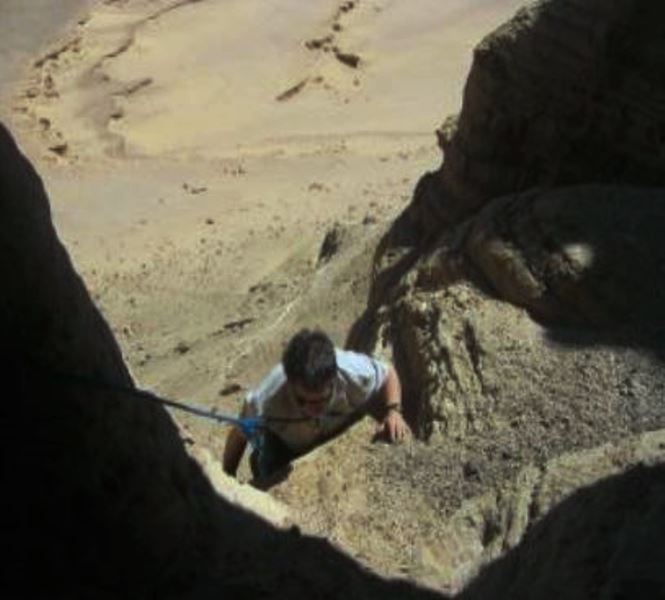
I got back to the fissure and there was still no reply to my calls. My companion was below at the time with the jeep, and our guide was somewhere up on top of the escarpment exploring. I used the sides of the fissure to climb up to the top and scraped my knees and elbows in the process.
I saw our guide in the distance and called him to come at last! J. had also picked up that there was some excitement. I called to Amir to come immediately as I had found something incredible. He was reluctant because of the danger. I urged him saying there was something amazing he just ‘had’ to come and see, and at last he agreed, but I was scraping down to the bottom of the crack again already. I just kept calling him to hurry up behind me. Finally he appeared at the top of the fissure and agreed to follow! I didn’t tell him about the spider until later hehe.
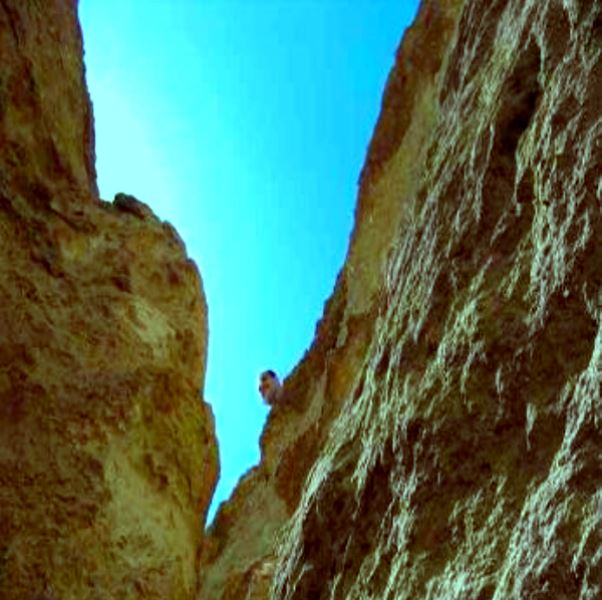
He shared the wonder and amazement at the hidden paintings, and agreed to crawl to the next section with me.
We continued between the slab fissures, past the lookout post and around the whole nose of the escarpment. We found there were even more caves mostly filled with sand mostly inaccessible under the rock slabs. It was entirely possible the whole place was linked with underground tunnels joining to the ones at the main entrance.
It was obvious the site deserved proper archaeological attention because the painted plaster was deteriorating, and there may be a wealth of incidental finds to be made using professional equipment. We had been so privileged to see everything , but the site begs for a thorough investigation and the protection that would go with it. We could do no more, and still keeping an eye out for the spider, we made our way back.
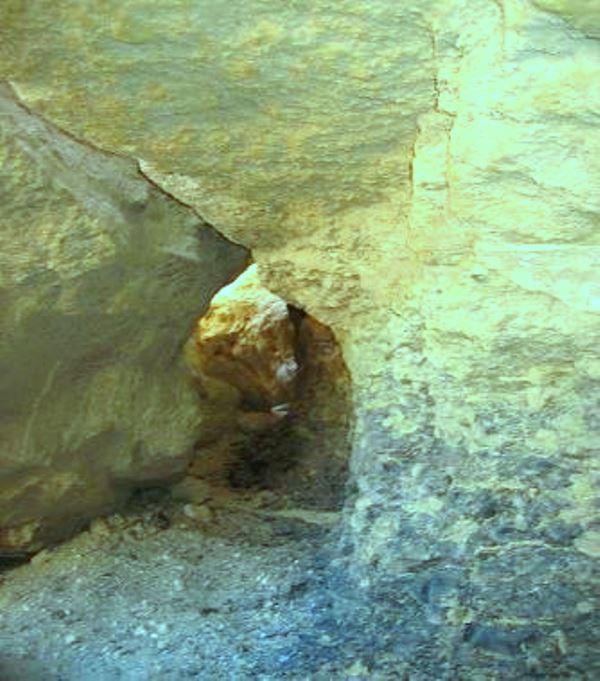
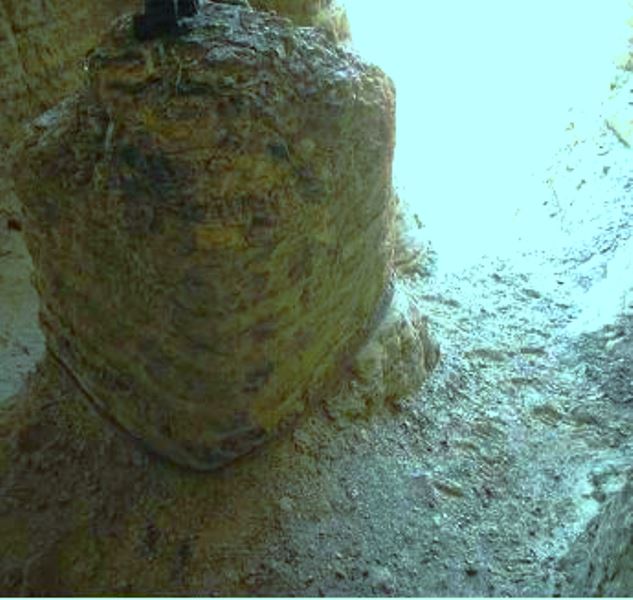
In general, the lookout positions give the widest possible view of the whole valley stretching to Lake Qarun over 8 miles away. Speculatively in a very ancient times the escarpment position would have been a perfect lookout home following glacial melt. The sea would have raised water to the doorstep of the mountain range. From inside and looking out, the view is spectacular. It is impossible to miss the feeling of tranquility while meditating there; though in its earliest days there must have been much tension as the Coptic brothers concealed themselves from the oppression of the occupying Roman soldiers. Down below in the valley, especially in the vicinity of el Saghr, the outline of very substantial fort foundations can be seen from beneath the sand of the desert.
We are heartened to know nearly two decades since our visits to the el Sagha Roman Fort and Abu Lifa that discussions with the eminent custodians of the Coptic Church may soon lead to an official survey and an attempt to preserve the heretage in some way. It seems clear also with meaningful resources and modern equipment there may be hidden delights of history still to find. The efforts of A.R.E. and its wonderful supporters will help this process. Donations will be worth every dime of help.
Blessings and thank you, Richard Gabriel.2026.
 The walls of ancient record